
Le Fisherman Responsible Gaming: Know the Risks
Gambling should be entertainment, not a way to make money. Learn about warning signs, setting limits, and where to get help if you need it.
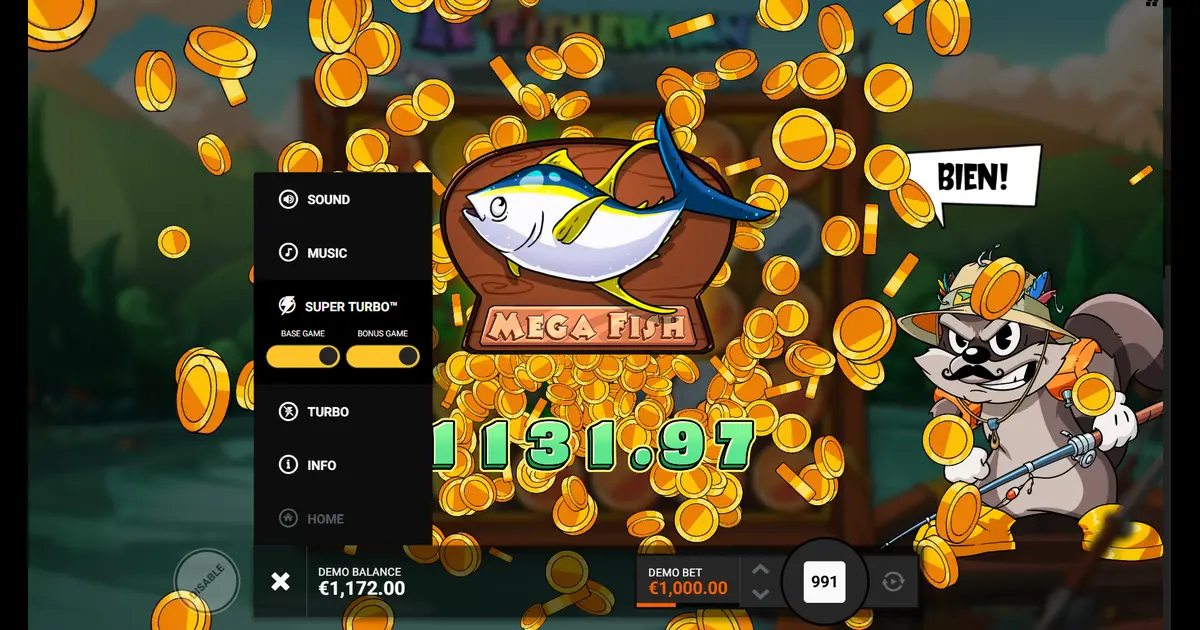
Gambling Should Be Entertainment
At Le Fisherman Guide, responsible gaming is central to our mission. Learn more about our commitment to honest, responsible reviews and how we protect your privacy in our privacy policy.
Important: Gambling is Not an Investment
Gambling should be treated as entertainment, not a way to make money or solve financial problems. The house always has an edge, which means over time, you're statistically likely to lose money. This is how casinos stay in business.
Set a budget for entertainment, just like you would for going to the movies or dining out. Never gamble with money you need for:
- Bills and rent
- Food and essentials
- Savings or emergency funds
- Debt payments
- Family expenses
Set Realistic Expectations
Understand that:
- You will likely lose money over time - This is normal and expected
- Winning streaks are temporary - Variance means short-term wins don't predict long-term outcomes
- No strategy guarantees profits - The house edge ensures the casino profits long-term
- RTP is a long-term average - Individual sessions can vary widely
Warning Signs of Problem Gambling
Recognizing warning signs early can help prevent gambling from becoming a serious problem. If you identify with any of these, consider seeking help:
Chasing Losses
Feeling compelled to keep gambling to win back money you've lost. This often leads to larger losses and can create a dangerous cycle. If you find yourself thinking "I'll just win back what I lost and then stop," this is a warning sign.
Gambling with Money You Can't Afford
Using money meant for bills, rent, food, or other essentials. Borrowing money to gamble, using credit cards for gambling, or gambling with money you don't have are serious warning signs.
Hiding Gambling from Family or Friends
Lying about how much you gamble, how much you've lost, or how often you play. If you feel the need to hide your gambling activities, this suggests you recognize it may be problematic.
Neglecting Responsibilities
Missing work, skipping social obligations, or failing to meet family responsibilities because of gambling. If gambling is interfering with your daily life, it's a problem.
Other Warning Signs
- Feeling restless or irritable when not gambling
- Gambling to escape problems or relieve feelings of anxiety or depression
- Needing to gamble with increasing amounts of money to feel excitement
- Repeated unsuccessful efforts to control, cut back, or stop gambling
- Thinking about gambling constantly, even when not playing
- Gambling until you've spent all your money
- Feeling guilty, anxious, or depressed after gambling
Self-Assessment Quiz
If you're concerned about your gambling habits, take a self-assessment quiz to better understand your situation:
BeGambleAware Self-Assessment
Visit BeGambleAware.org to take their free, confidential self-assessment quiz. This tool helps you evaluate your gambling behavior and provides personalized feedback.
The assessment is anonymous and takes about 5 minutes to complete. It can help you understand if your gambling habits are becoming problematic.
What the Assessment Covers
The self-assessment evaluates:
- How often you gamble
- How much time and money you spend gambling
- Whether gambling affects your relationships or responsibilities
- Your ability to control your gambling
- Emotional responses to gambling
Setting Limits
Responsible gambling means setting and sticking to limits. Most casinos offer tools to help you stay in control:
Deposit Limits
Set daily, weekly, or monthly deposit limits that cap how much you can deposit into your casino account. Once set, these limits typically have a cooling-off period before they can be increased, helping prevent impulsive decisions during emotional moments.
How to set: Log into your casino account, go to "Responsible Gaming" or "Account Settings," and set your preferred deposit limits. Choose amounts you can comfortably afford to lose.
Time Limits
Set session time limits to control how long you play. The casino will remind you when your time limit is approaching and can automatically log you out when the limit is reached.
Time limits help prevent extended gambling sessions that can lead to larger losses and interfere with other responsibilities.
Loss Limits
Some casinos allow you to set loss limits, which automatically stop you from gambling once you've lost a predetermined amount. This helps prevent chasing losses and protects your bankroll.
Self-Exclusion Options
If you feel you need a break from gambling, most casinos offer self-exclusion options:
- Temporary self-exclusion: Take a break for 24 hours, 7 days, or 30 days
- Permanent self-exclusion: Permanently close your account (usually irreversible)
- Reality checks: Pop-up reminders that appear during gameplay showing how long you've been playing
Self-exclusion is a serious step. During the exclusion period, you won't be able to access your account or gamble at that casino. If you choose permanent self-exclusion, this decision is typically final and cannot be reversed.
Getting Help
If you're struggling with problem gambling, help is available. These organizations provide free, confidential support. You can also contact us if you have questions about responsible gaming resources.
BeGambleAware
Website: www.begambleaware.org
Helpline: 0808 8020 133 (UK, free and confidential)
BeGambleAware provides free information, advice, and support for anyone affected by problem gambling. They offer online chat, email support, and a helpline available 24/7.
GamCare
Website: www.gamcare.org.uk
Helpline: 0808 8020 133 (UK, free and confidential)
GamCare provides free support, advice, and free counseling for anyone affected by problem gambling. They offer online support groups, live chat, and a helpline.
Gamblers Anonymous
Website: www.gamblersanonymous.org
Gamblers Anonymous is a fellowship of men and women who share their experience, strength, and hope with each other to solve their common problem and help others recover from gambling addiction. They offer in-person and online meetings.
National Problem Gambling Helpline (US)
Helpline: 1-800-522-4700 (US, free and confidential)
Text: Text "GAMB" to 800-522-4700
Chat: Available at ncpgambling.org/chat
The National Council on Problem Gambling provides 24/7 confidential support for problem gamblers and their families in the United States.
If You're in Crisis
If you're experiencing thoughts of self-harm or suicide related to gambling, please seek immediate help:
- UK: Call 999 or the Samaritans at 116 123 (free, 24/7)
- US: Call 988 (Suicide & Crisis Lifeline, free, 24/7)
- International: Contact your local emergency services or crisis helpline
Your life has value. Help is available, and recovery is possible.
Frequently Asked Questions
What is responsible gaming for Le Fisherman Slot?
How can I set limits when playing Le Fisherman Slot?
What are the signs of problem gambling with slot games?
Where can I get help for gambling problems?
Is Le Fisherman Slot addictive?
Can I self-exclude from playing Le Fisherman Slot?
What should I do if I've lost too much playing Le Fisherman Slot?